

 Agriculture
Alberta leads Western Canada in food manufacturing—what it means for farmers in 2026
This article is a special contribution from Marc Zienkiewicz, Senior Editor at Seed WORLD GROUP.
12 February 2026 4 min read
The world is hungry for Alberta’s high-quality ag products. See which markets are paying top dollar.
Alberta’s food manufacturing sector has been making headlines, and for good reason — the province leads Western Canada in total food manufacturing sales. But what does that really mean for farmers at the ground level? How do billion-dollar headlines translate into real opportunities at the farm gate?
In a recent episode of the Alberta Seed Guide podcast, host Marc Zienkiewicz sat down with Anton Bellot, ATB agri-food sector expert, to break down the trends shaping Alberta’s ag and food processing sector—and what producers should be paying attention to as they plan for 2026 and beyond.
Meat, milling and more: where Alberta’s manufacturing strength really comes from
Much of that growth in Alberta’s food manufacturing sales stems from the province’s well-established protein sector.
“About 55% of those sales come from meat processing,” Bellot explains. “JBS and Cargill continue to expand their reach in both domestic and international markets, which is great news for ranchers.”
But opportunities aren’t limited to the big players. There is a big opportunity for Alberta’s mid-sized processors to create new outlets for ranchers.
The remaining 45% of food manufacturing sales includes a diverse set of value-added categories:
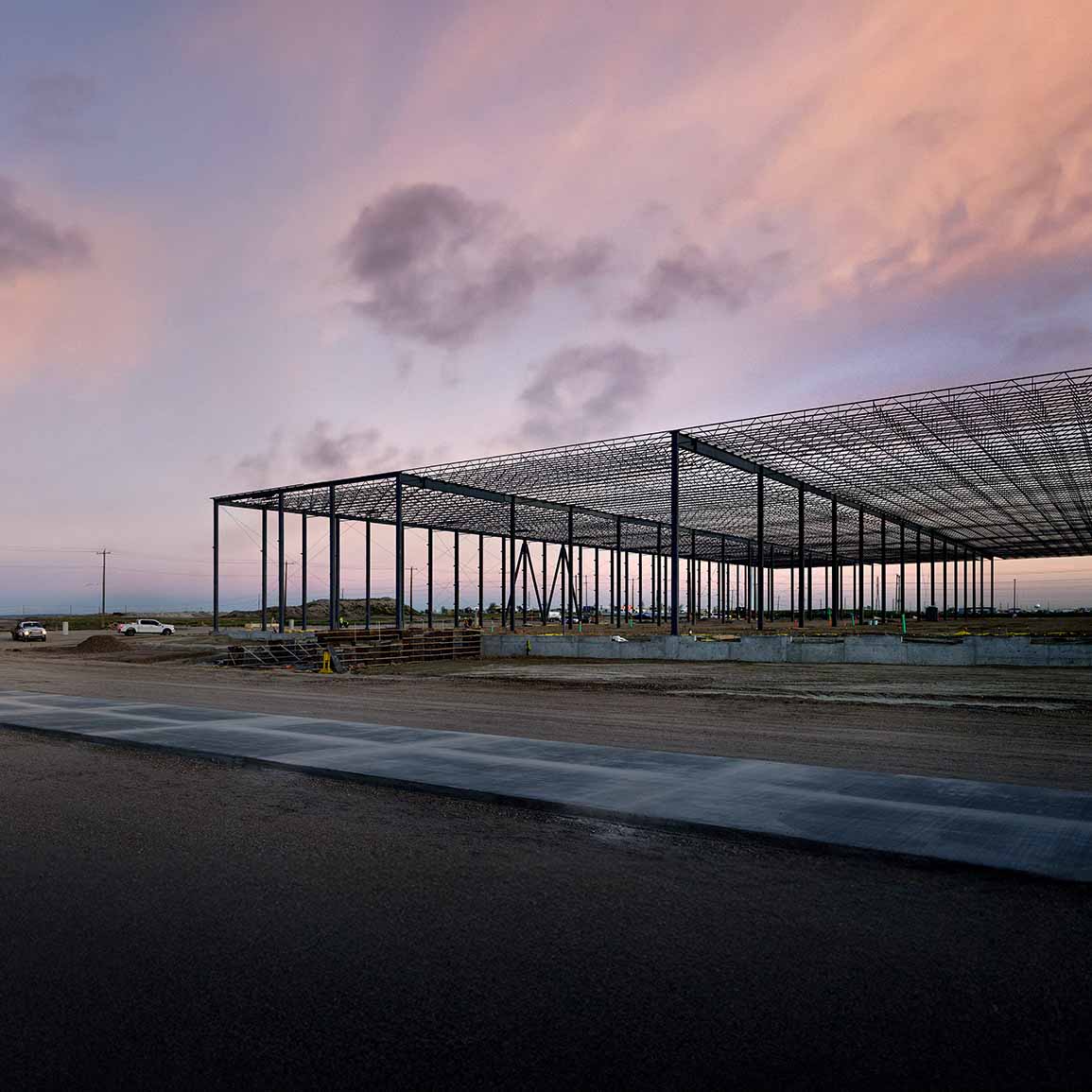
- Canola crush. New and expanding canola processing facilities have become a major driver of provincial investment. For growers, this means stronger local demand for seed and greater potential for competitive pricing.
- Flour milling. Alberta’s grain continues to feed a strong milling sector, supplying everything from baking ingredients to specialty products.
- Pet food manufacturing. A surprisingly fast-growing category, the pet food market, both cooked and raw, is opening doors for ranchers supplying offal and other by-products.
With strong infrastructure for rail, road and air transit, Alberta is well-situated to keep building on this momentum. And according to Bellot, this is only the beginning. “There’s been a wave of new activity over the last three years, and it’s still growing,” he says.
Trade diversification: the $12 billion opportunity
Trade diversification has become one of the most important goals shaping Alberta agriculture. Some estimates suggest it could open to $12 billion in new markets.
So where should Alberta producers be looking next?
- Korea and Japan: Premium markets for premium products. “These markets value high-quality goods, which aligns very well with Alberta’s brand,” says Bellot. Demand for Canadian beef, wheat, produce and oilseeds continue to climb in these markets.
- The Indo-Pacific: Rising incomes, rising demand. Countries such as Singapore, Thailand, Bangladesh, Indonesia and Malaysia are seeing rapid growth in middle-class consumers — and a corresponding rise in demand for high-quality food imports.
- Europe: Long-term opportunities if trade barriers fall. Europe’s non-tariff barriers remain a hurdle, but federal and provincial efforts are underway to ease restrictions and expand market access.
- Middle East & North Africa (MENA): A growing wheat market. With global grain trade disrupted by the Russia-Ukraine conflict, markets across MENA are increasingly looking for high quality wheat and other food ingredients, which Alberta is in a great position to capitalize on.
What farmers should watch heading into 2026
Economic uncertainty remains top-of-mind for many producers. Bellot offered several key indicators farmers should keep a close eye on:
- Interest rates. ATB’s latest forecasts suggest gradual easing, but plans should remain flexible.
- Commodity prices. Grain and livestock prices have softened, making margin management more important than ever.
- Input costs. Machinery, fuel, and fertilizer prices remain high. Watch the cost off the farm gate. Profitability in 2026 will depend heavily on how well producers manage expenses.
- Global consumer debt. It’s not a metric farmers typically track, but Bellot says it matters. “Consumer debt affects what people can afford, and whether they buy branded or white-label products,” he says. That shift impacts processors, which eventually impacts the farm gate.
- Geopolitical risk. Tariffs, trade disputes and supply chain disruptions can appear overnight. With a Canada-United States-Mexico Agreement (CUSMA) review coming in mid-2026, market dynamics could shift quickly.
How farmers can position themselves to benefit
With Alberta’s processing sector expanding from north to south, Bellot encourages producers to stay connected and informed.
Attend industry events. Organizations such as Alberta Food Processors and Alberta-British Columbia Seed Growers host AGMs, awards galas and networking sessions. These are prime opportunities to meet new processors entering the market.
Build relationships with processors. Knowing who’s investing in canola crushing, flour milling, or animal protein processing can help farmers align production with upcoming demand.
Engage with provincial officials. Alberta’s Ministry of Agriculture and Irrigation interacts with major processing projects and can help farmers understand where new opportunities are emerging.

"Keeping the value local benefits everyone. Producers have a tremendous opportunity for their commodities to be processed into various value-added ag and food products right here in Alberta."
Anton Bellot
ATB Agri-food Sector Expert
Anton Bellot’s top strategic advice for 2026: stay vigilant, stay proactive
If Bellot had to give farmers one takeaway heading into the new year, it’s this:
“We are in the most uncertain period I’ve experienced as a banker,” he says. “Review plans more often and bring your financial team in for advice sooner rather than later.”
With fluctuating prices, shifting trade landscapes and fast-moving geopolitical risks, farmers should revisit their business plans frequently and be ready to continue, pivot, abandon or rebuild depending on how conditions change.
You might be interested in
Knowing how and when to access capital
ATB Agri-food Sector Expert, Anton Bellot has some good advice on how to access capital funding specific to agri-food processing.
Here to help you grow
We’d love to learn about your agri-food processing business and how we can help you.